The Psychology of Giving: Why Helping Others Benefits You Too
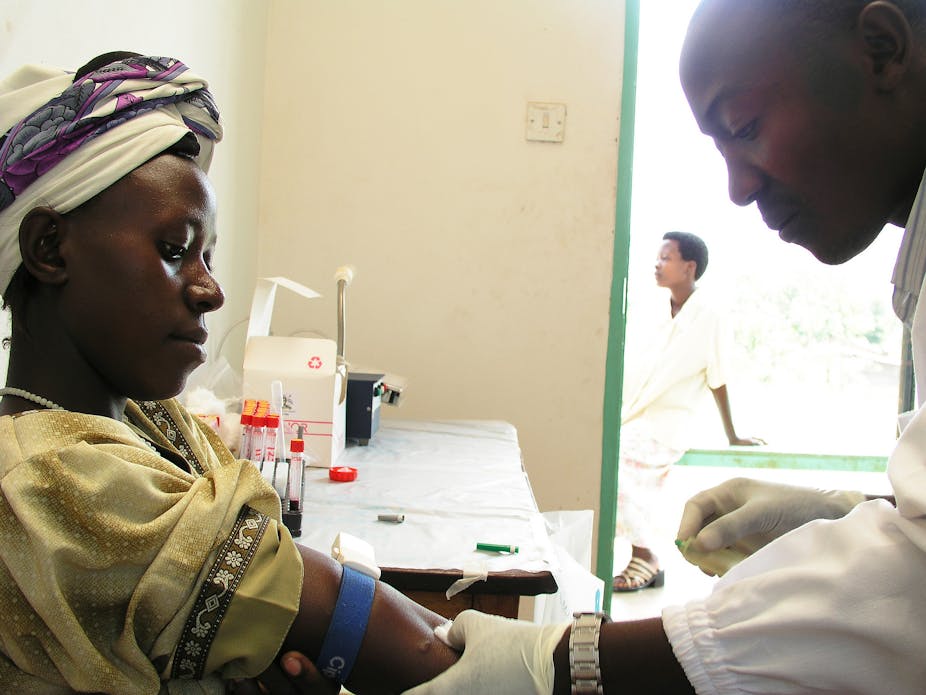
Have you ever noticed how good it feels to donate or volunteer? Science confirms that generosity activates the brain’s reward system, releasing endorphins that create a “helper’s high.” Studies show that people who give regularly experience lower stress levels, improved mental health, and even longer lifespans. Beyond the emotional benefits, philanthropy fosters a sense of purpose, connecting donors to causes larger than themselves.
But why does giving feel so rewarding? Evolutionary psychologists suggest that humans are wired for cooperation helping others strengthened tribal survival. Today, this instinct translates into the joy of making a difference. Whether donating money, time, or resources, acts of kindness reinforce social bonds and personal fulfillment. Additionally, children who observe generosity are more likely to become compassionate adults, perpetuating a cycle of goodwill. So, while your donations help those in need, they also enrich your own life in unexpected ways.